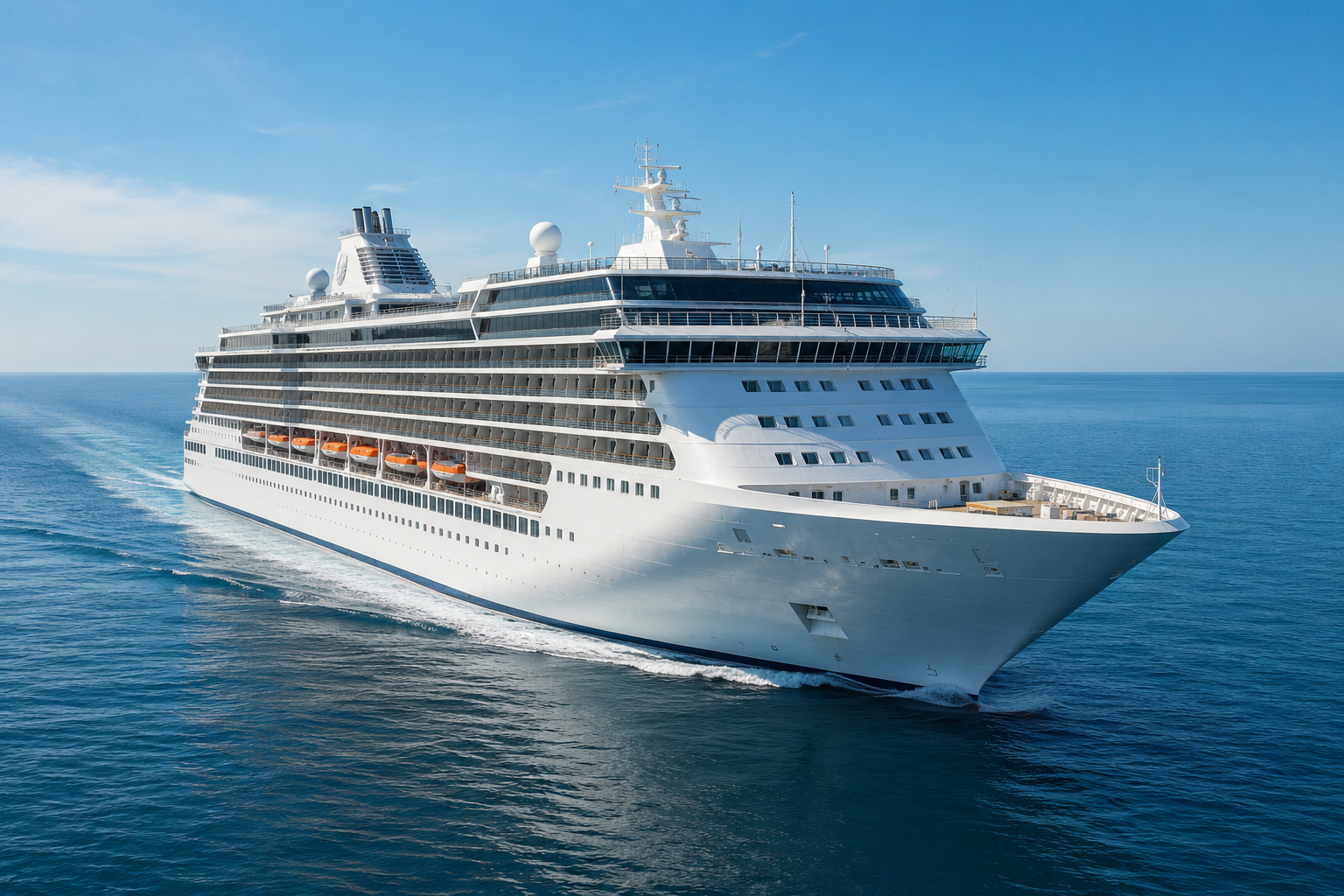
Yes — by almost any measure, a modern cruise is one of the safer ways to travel. Tens of millions of people sail every year; ships are built to strict international law, carry lifeboats for more than everyone aboard, and are watched by cameras and security around the clock. The catastrophic events people fear most — sinking and fire — are statistically among the least likely things to happen.
The risks that are actually worth your attention are far more ordinary: a stomach bug, a fall, a medical emergency, and (rarely) crime. The good news is that most of them are partly in your control. This guide — part of our New to Cruising guide — walks through each real risk with the actual figures, then the one habit that keeps you safest.
The big picture, by the numbers
It helps to start with scale. Cruising carries roughly 35–40 million passengers a year, and serious incidents are measured in the dozens, not the thousands. A few figures put the fear in perspective:
Sources: Cruise Lines International Association (CLIA) man-overboard data; SOLAS (International Convention for the Safety of Life at Sea); industry fire-safety records. Figures are recent-year approximations, not guarantees.
For context, the cruise industry's per-capita fatality rate is widely estimated at a small fraction of everyday driving — the same drive to the port arguably carries more risk than the voyage itself. None of this means cruising is risk-free. It means the things most likely to disrupt your trip are not the things in the disaster movies.
The real risks, ranked honestly
Here's the part most "are cruises safe?" articles skip: a clear, side-by-side look at each risk — how often it actually happens, how the industry manages it, and what it means for you. Read down the last column; that's where you'll find what's worth doing something about.
| Risk | How often it actually happens | How the industry manages it | What it means for you |
|---|---|---|---|
| SinkingThe headline fear | Extremely rare. No large cruise ship has sunk in open ocean since 1999; the last major disaster was Costa Concordia (2012). | Watertight compartments, ships built to stay afloat when damaged, lifeboats and rafts for 125% aboard, a muster drill in the first 24 hours. | The least likely thing to happen. Still — pay attention at the muster drill and know your station. |
| Falling overboardPersonal safety | Very rare. Around 19 incidents a year industry-wide — roughly a 1-in-2-million chance per passenger. Survival is uncommon. | High railings, balcony design, and surveillance. Most incidents involve risky behavior, climbing, or heavy drinking. | Largely in your control. Don't sit or climb on railings; watch your alcohol intake. |
| FireOnboard hazard | Uncommon and falling. Serious fires have roughly halved since the 2010 SOLAS fire-safety amendments. | Sprinklers, sealed fire zones, low-flammability materials, and a trained crew that drills constantly. | Know your muster station. Never pack banned fire risks — irons, candles, power strips with surge protection. |
| Norovirus / stomach bugIllness | The most common cruise illness — but on a small share of sailings. The CDC logged a record 20 outbreaks in 2025, 18 in 2024. | CDC-inspected sanitation, handwashing stations, and rapid isolation of sick passengers and crew. | Wash hands with soap (sanitizer alone won't kill noro). Report symptoms early — outbreaks spread when people hide them. |
| CrimePersonal safety | Rare relative to land. Sexual assault is the most-reported serious crime; alcohol is a factor in many incidents. | Cameras, security staff, keycard tracking, and mandatory quarterly crime reporting to the FBI under U.S. law (CVSSA). | Normal traveler caution: mind your drink, avoid isolated areas late at night, use the in-cabin safe. |
| Medical emergencyMost likely disruption | The most likely real problem. Illness and injury at sea are far more common than any disaster. | Onboard medical center with doctors and nurses; a stabilize-and-evacuate model, plus telemedicine. | The ship isn't a hospital. Buy travel insurance with medical evacuation; keep meds in your carry-on. |
Figures reflect recent-year industry and regulatory data (CLIA, CDC Vessel Sanitation Program, SOLAS, U.S. Cruise Vessel Security and Safety Act) and are approximate, not guarantees.
The norovirus question, in context
Norovirus gets the headlines because a single outbreak makes the news — but the news rarely includes the denominator. The CDC's Vessel Sanitation Program publicly tracks every qualifying gastrointestinal outbreak on ships in its jurisdiction, and yes, the count has crept up: 2025 set a record.
Cruise GI outbreaks reported to the CDC
Qualifying gastrointestinal outbreaks under the CDC's Vessel Sanitation Program. 2025 was the most ever recorded — yet still a handful of sailings out of thousands.
A "record" year still means roughly 20 outbreaks spread across tens of millions of passengers. The third bar is an illustrative low-year reference, not an exact figure.
The honest read: outbreaks are real and rising slightly, but the odds your specific sailing is affected remain low — and the single best defense is boring and effective. Wash your hands with soap and water, especially before eating, because alcohol gel doesn't reliably kill norovirus. Use the handwashing stations crews set up at buffet entrances, and if you feel ill, report it. Outbreaks balloon when sick passengers keep quiet and keep touching shared surfaces.
Falling overboard — the fear vs. the facts
"Man overboard" is the risk people picture when they imagine a cruise going wrong, and it's worth being straight about: when someone goes into the open ocean, survival is the exception, not the rule. But the frequency is genuinely low — on the order of 19 incidents a year across the entire global industry, against tens of millions of passengers.
What's striking in the data is how rarely it's a random accident. The large majority of overboard cases involve alcohol, deliberate risk-taking, sitting or climbing on railings or balcony dividers, or intentional acts. Modern railings are built to a height that you don't simply fall over by accident. In other words, this is one of the most controllable risks on the ship: respect the railings and pace your drinking, and you've removed almost all of your personal exposure.
What actually keeps you safe
The most useful way to think about cruise safety is to separate what the ship handles from what you handle. The industry has the rare catastrophes well covered; your job is the everyday stuff.
In your hands
What you control
- Pace your alcohol — it's the common thread in falls, overboard cases, and many crimes.
- Wash hands with soap often; report illness early.
- Pay attention at the muster drill and locate your station.
- Buy travel insurance with medical evacuation coverage.
- Use the cabin safe; apply normal caution in isolated areas late at night.
Already handled
What the ship controls
- Hull design, watertight compartments, and stability engineering.
- Lifeboats and rafts for more than everyone aboard (SOLAS).
- Fire detection, sprinklers, sealed fire zones, drilled crews.
- Sanitation inspected by the CDC; rapid outbreak isolation.
- Onboard security, surveillance, and mandatory crime reporting.
If you do just one thing, keep your drinking in check. Alcohol is the single biggest factor passengers actually control — it's implicated in the majority of falls and overboard incidents and in a large share of onboard crime. The ship has the icebergs covered; the most dangerous variable on most cruises is an over-served passenger.
So should you worry?
If your hesitation about cruising is fear of a Titanic-style disaster, the data should put you at ease: that's the least likely thing that will happen on your trip. The realistic risks — a stomach bug, a fall, a medical issue — are the same ones you face on any vacation, and they're manageable with a few sensible habits and the right insurance.
"Our honest take: cruising is safer than the drive to the port. The risk worth managing isn't the ocean — it's the open bar. Pace yourself, wash your hands, insure the trip, and the statistics are firmly on your side."
Safety is really just one of the worries first-timers bring aboard. If yours run more toward feeling cooped up, getting queasy, or simply being bored, we tackle those head-on too: see whether you'll get seasick, what to do if you're worried about feeling claustrophobic, and whether you'll be bored on a cruise. And if you're still deciding whether the whole thing is for you, start with is a cruise worth it. Any unfamiliar terms are explained in plain English in the cruise glossary, and our first-time mistakes guide covers the avoidable slip-ups.
Frequently asked questions
What is the riskiest part of a cruise ship?
Statistically, the riskiest thing on a cruise isn't the ship — it's the ordinary stuff: a slip or fall, a medical emergency, or a stomach bug. The genuinely dangerous scenarios passengers fear most, like sinking or fire, are extremely rare on modern ships. The single biggest passenger-controlled risk is over-drinking, which is implicated in a large share of falls and man-overboard incidents. The most likely real disruption to your trip is a medical event, because the onboard medical center can stabilize you but isn't a full hospital — which is exactly why travel insurance with medical evacuation coverage matters.
How safe are you on a cruise ship?
Very safe, by the numbers. Modern cruise ships are built to strict international safety law (SOLAS), carry survival craft for at least 125% of everyone aboard, run a mandatory muster drill within the first 24 hours, and are monitored by cameras and security staff. Serious incidents are rare relative to the tens of millions of people who cruise each year, and the cruise industry's per-capita fatality rate is far lower than everyday driving. That doesn't mean nothing ever goes wrong — illness, theft, and medical emergencies do happen — but the catastrophic events people worry about are among the least likely things to occur.
What is the probability of a cruise ship sinking?
Vanishingly small. No large cruise ship (over 5,000 gross tons) has sunk in the open ocean since 1999, and the last major cruise disaster was the Costa Concordia in 2012, which ran aground near shore. Estimates put the risk of a modern cruise sinking at well under one in several million voyages. Today's ships are divided into watertight compartments, built to stay afloat with damage, and required to carry lifeboats and life rafts for more than everyone aboard. Sinking is the headline fear and the least likely thing to actually happen.
How common is norovirus on a cruise, and how do I avoid it?
Norovirus is the most common cruise illness, but it affects only a small share of sailings. The CDC's Vessel Sanitation Program logged a record 20 gastrointestinal outbreaks in 2025 (most of them norovirus) and 18 in 2024 — but those are spread across tens of millions of passengers, so the odds that any one sailing has an outbreak are low. To protect yourself, wash your hands with soap and water often (alcohol sanitizer alone doesn't reliably kill norovirus), use the handwashing stations at buffet entrances, and if you do get sick, report it so the crew can isolate it quickly. Outbreaks tend to spread fastest when ill passengers don't report symptoms.
Are cruise ships safe for solo and female travelers?
Generally yes, and they're a popular choice for solo and female travelers because you're in a contained, staffed, well-lit environment with security and onboard cameras. The honest caveat is that crime does happen at sea: under U.S. law, cruise lines must report serious crimes — including sexual assault, the most commonly reported serious crime — to the FBI every quarter, and alcohol is a factor in many incidents. Normal traveler caution applies: watch your drink, be wary of isolated areas late at night, lock valuables in your cabin safe, and know that you can contact ship security at any hour.
What is the 3-1-1 rule for cruise ships?
The 3-1-1 rule isn't actually a cruise rule — it's the TSA's carry-on liquids rule for the flight to your cruise: liquids in containers of 3.4 ounces (100 ml) or less, all fitting in one quart-size clear bag, one bag per passenger. People search it alongside cruise safety because it trips up first-timers at the airport. Cruise lines have their own separate rules, which usually allow more (often a limited amount of wine or champagne brought aboard), but they ban items like irons, candles, and surge protectors for fire safety. Check your specific line's prohibited-items list before you pack.